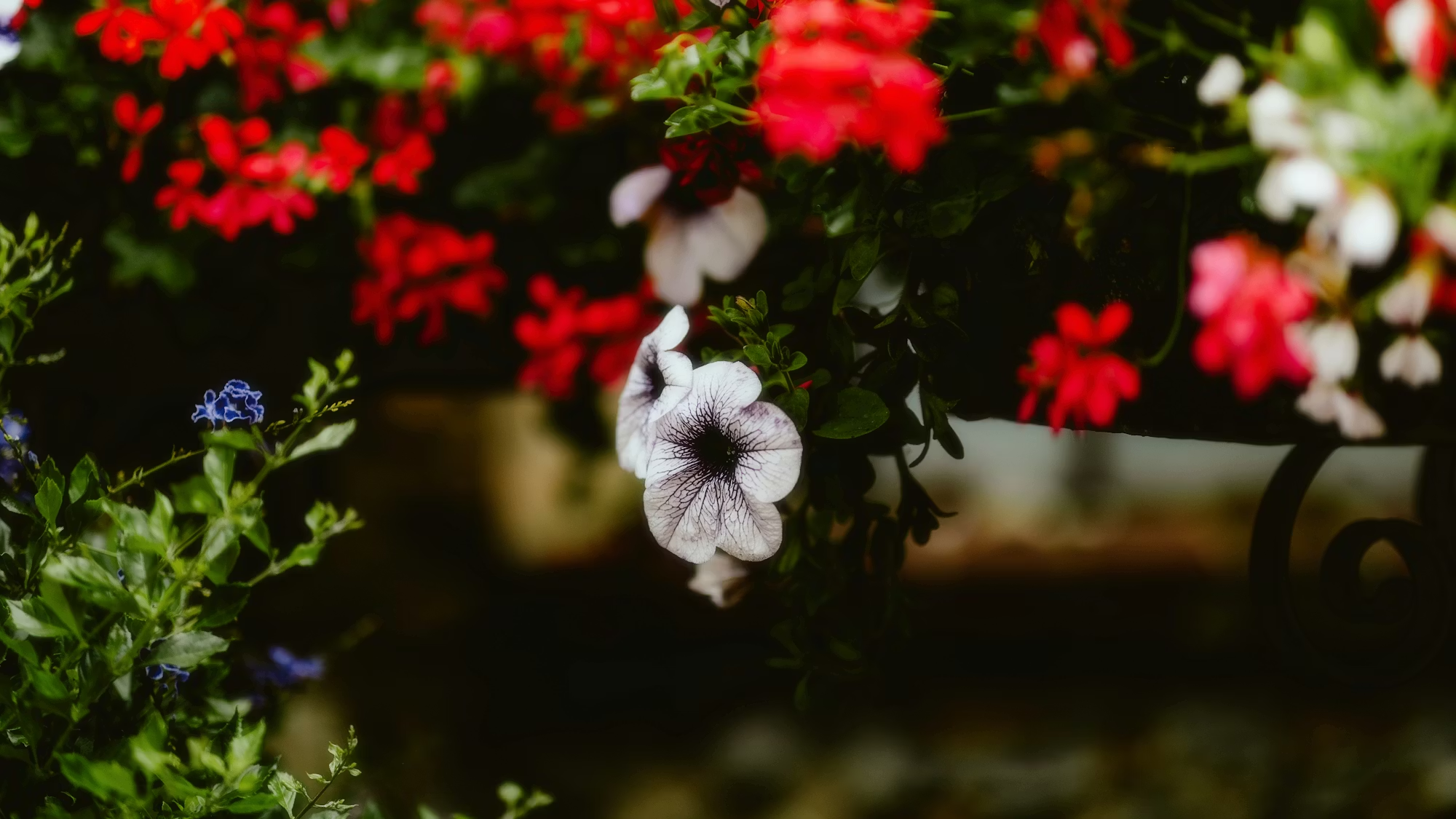
Exotic flowers represent the pinnacle of nature’s artistry, each showcasing vibrant colors, unique shapes, and fascinating characteristics that captivate our senses. From the tropical rainforests to arid deserts, these remarkable blooms not only enhance the beauty of their environments but also hold cultural significance across various societies. In this article, we will embark on a journey through the world of exotic flowers, exploring their diversity, symbolism, and the joy they bring to our lives. One of the most celebrated groups of exotic flowers is found in the tropics. Tropical flowers such as orchids, hibiscus, and bird of paradise are known for their stunning colors and intricate designs. Orchids, often considered the ultimate symbol of beauty and luxury, come in thousands of species, each with its own unique form and color palette. Their delicate petals and diverse patterns make them a favorite among collectors and gardeners alike. The allure of orchids extends beyond their appearance; they have a rich history in various cultures, symbolizing love, beauty, and strength. In ancient Greece, orchids were associated with fertility and masculinity, while in the Victorian era, they represented luxury and status. Hibiscus flowers, with their large, trumpet-shaped blooms, are another tropical treasure. These flowers are not only visually striking but also culturally significant in many regions. In Hawaii, hibiscus is the state flower and symbolizes beauty and hospitality. The vibrant colors of hibiscus range from bright reds and pinks to deep purples, making them a popular choice for tropical gardens and floral arrangements. Bird of paradise, aptly named for its striking resemblance to a colorful bird in flight, adds a touch of the exotic to any landscape. With its bold colors and unique shape, this flower is often associated with joy and paradise, making it a favorite in tropical-themed décor. The beauty of tropical flowers is often complemented by their fragrances, creating a sensory experience that transports us to far-off places. Moving from the tropics, we encounter the unique beauty of desert flowers, which have adapted to thrive in harsh environments. These resilient blooms, such as desert marigolds, cacti flowers, and yucca blooms, demonstrate nature’s ingenuity. Desert marigolds, with their bright yellow petals, add a splash of color to arid landscapes, while cacti flowers showcase stunning hues against a backdrop of spiny green. Cacti flowers bloom only for a short time, creating a breathtaking spectacle that reminds us of the beauty found in resilience. Yucca blooms, known for their tall spikes and creamy white flowers, also thrive in desert conditions, attracting pollinators like hummingbirds and moths. These hardy plants embody the spirit of survival, showing us that beauty can flourish even in the most challenging conditions. The allure of desert flowers lies not only in their appearance but also in their ability to teach us about adaptation and resilience. As we continue our journey, we arrive at the captivating world of aquatic flowers. Water lilies, lotus flowers, and water hyacinths grace the surfaces of ponds and lakes, offering a serene beauty that is both calming and enchanting. Water lilies, with their large, flat leaves and delicate blooms, float gracefully on the water’s surface, creating a picturesque scene. Lotus flowers, revered in many cultures, symbolize purity and enlightenment as they rise above muddy waters, a powerful reminder of overcoming adversity. The beauty of aquatic flowers enhances not only the visual appeal of water bodies but also contributes to the overall health of aquatic ecosystems. These flowers provide habitats for fish and other wildlife, demonstrating the interconnectedness of life within natural environments. Alpine flowers also showcase nature’s remarkable adaptability. These hardy blooms, found in high-altitude regions, include species such as edelweiss, alpine forget-me-nots, and alpine gentians. Edelweiss, with its star-shaped white blooms, has become a symbol of the Alps and represents rugged beauty and perseverance. This flower, once rare and highly sought after, captures the essence of high-altitude landscapes. Alpine forget-me-nots, with their delicate blue petals, add a touch of color to rocky terrains, while alpine gentians, known for their vibrant blues and purples, are favorites among hikers and nature enthusiasts. These flowers remind us of the beauty that thrives in even the most challenging environments, embodying resilience and strength. As we explore the world of exotic flowers, we cannot overlook the rich cultural significance they hold. Across various societies, flowers have been used in art, rituals, and celebrations. For instance, the cherry blossom in Japan symbolizes the fleeting nature of beauty and life, celebrated annually during Hanami festivals. In many cultures, flowers are used to convey emotions, from love and admiration to sympathy and respect. Roses, often associated with romance, come in a variety of colors, each with its own meaning. Red roses symbolize passionate love, while white roses represent purity and innocence. Understanding the symbolism behind flowers allows us to connect more deeply with the cultures and traditions that celebrate them. Gardening and cultivating exotic flowers provide an opportunity to engage with nature in a meaningful way. By planting and nurturing these beautiful blooms, we can create personal sanctuaries that bring joy and tranquility to our lives. Many gardeners find solace in tending to their plants, as the act of gardening fosters a sense of connection to the earth and encourages mindfulness. In recent years, there has been a growing interest in sustainable gardening practices, which prioritize the health of the environment while still allowing for the beauty of flowers. By selecting native and climate-appropriate exotic flowers, we can create gardens that support local ecosystems and attract beneficial wildlife. This holistic approach to gardening ensures that we can enjoy the beauty of flowers while also promoting biodiversity and environmental health. Arranging flowers, whether in a vase or as part of a larger display, is another way to celebrate the beauty of exotic blooms. Floral arrangements allow us to bring the vibrancy of nature indoors, enhancing our living spaces and lifting our spirits. Seasonal arrangements, incorporating flowers that reflect the time of year, can create a dynamic and ever-changing display of color and beauty. These arrangements also serve as a reminder of the passage of time and the cyclical nature of life. In conclusion, the journey through the world of exotic flowers reveals a stunning tapestry of beauty, resilience, and cultural significance. From the vibrant blooms of tropical regions to the hardy flowers of deserts and alpine heights, each exotic flower tells a story of nature’s artistry and adaptability. By exploring and appreciating these remarkable blooms, we enrich our lives and foster a deeper connection to the natural world. Embracing the beauty of exotic flowers invites us to celebrate the diversity and resilience of nature, inspiring us to cultivate our own gardens of joy and creativity.
Related Posts

Citrus Fragrances: A Refreshing Journey into Bright Scents
This article delves into the vibrant world of citrus fragrances, exploring their characteristics, hi
This article delves into the vibrant world of citrus fragrances, exploring their characteristics, hi
Exploring the Enchantment of Flower Gardens Around the World
This article takes readers on a journey through the diverse and breathtaking flower gardens found ac
This article takes readers on a journey through the diverse and breathtaking flower gardens found ac
Color Your World: The Impact of Makeup Shades on Mood and Style
Explore how different makeup shades can influence your mood, enhance your style, and express your pe
Explore how different makeup shades can influence your mood, enhance your style, and express your pe